


Sea Kayaking for Beginners: What to Expect on Your First Coastal Trip
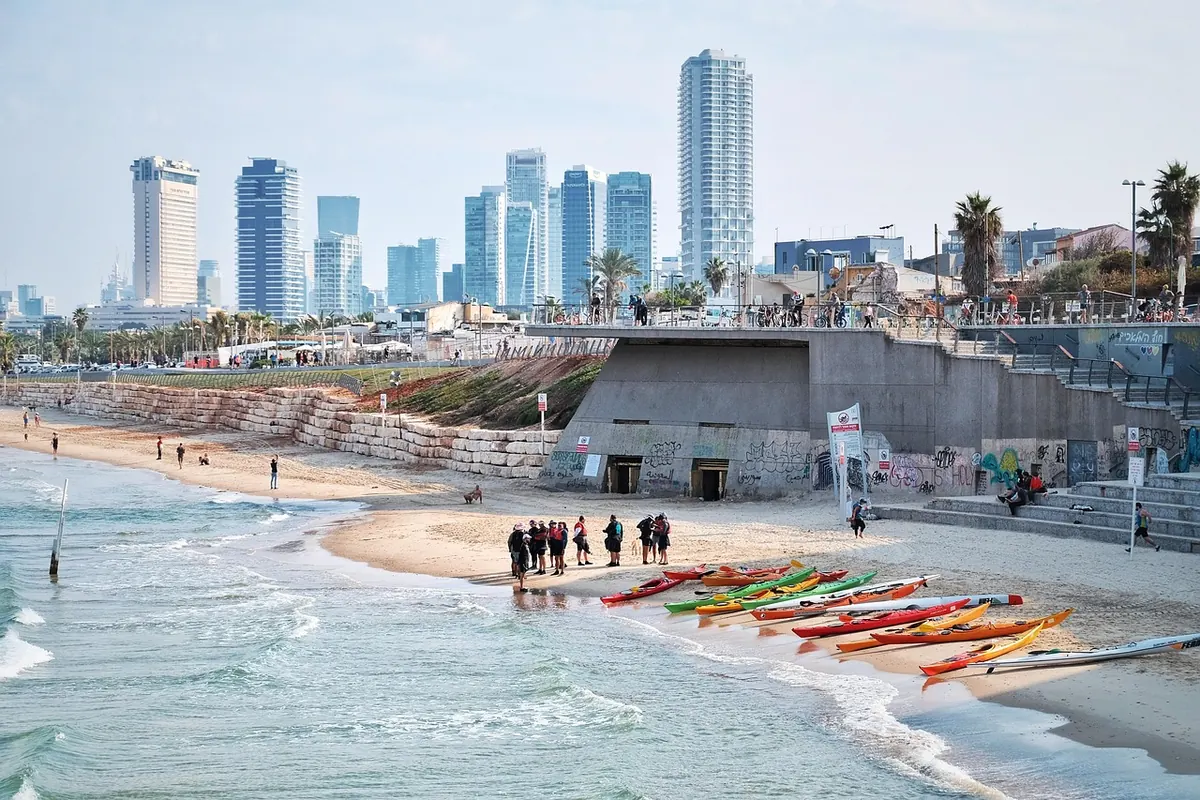
Twenty minutes into your first coastal paddle, the beach you launched from shrinks to a thin strip of colour. The water beneath you is doing something you can feel but cannot see: a slow swell lifting the boat, holding it, setting it down. Nothing has gone wrong. This is simply what the sea feels like from a kayak, and by the time you notice it, a good guide will already have you settled into the rhythm.
What a guided day actually looks like
A beginner's coastal day is rarely about covering miles. It is about learning how the boat behaves, how the water moves, and how much you can do without emptying the tank by lunchtime. Most operators follow a similar shape.
- Meet, fit kit, sort the plan. You will be matched with a boat, paddle and buoyancy aid, and told where you are going and why. Listen to this bit properly. The plan usually depends on wind direction and tide times rather than a fixed route.
- On-water skills in sheltered water. Flat, shallow water near the launch point. You will practise moving the boat where you want it, turning, stopping and getting used to the wobble.
- Lunch, usually on a beach. Eat properly. Cold water and fresh air make people hungrier than they expect.
- A short journey along the coast. A few kilometres, hugging the shoreline, with plenty of pauses for wildlife, rock formations and questions.
- Return and pack down. Loading boats, rinsing kit and, if you are lucky, a cup of tea in a car park.
The distances are deliberately modest. A first day might be no more than a handful of kilometres in total, which sounds small until you factor in wind, swell and the fact that every stroke is yours to make.
What you are given, and what to bring
Guided trips usually supply the boat, paddle, spraydeck, buoyancy aid and a waterproof cag or paddle jacket. The guide carries the safety kit: pump, towline, spare paddle, first aid and a means of calling for help. Your job is to be comfortable and dry enough to enjoy yourself.
- Layers, not cotton. A thermal base layer, a fleece and a windproof outer layer. Cotton soaks and stays cold.
- Footwear that can get wet. Old trainers or wetsuit boots. Wellies fill up fast and are hard to swim in.
- A dry bag with a spare fleece, hat and gloves, plus your phone and keys.
- Water, lunch and snacks. More than you think you need.
- Sunglasses with a strap, sun cream and lip balm. The sun bounces off the water and burns you from both directions.
- Any medication you might need, carried in a waterproof pouch rather than left in the car.
Tides, wind and swell: the three things that shape your day
You do not need a marine forecast qualification to enjoy a beginner's trip, but knowing roughly what is going on makes the whole day less mysterious.
Tides move water in and out twice a day, and that movement creates current. It also changes the shape of the coast: a beach you paddled past at 10am may be a rock ledge by 4pm. Wind matters more than most beginners realise. An offshore wind pushes you away from land and flattens the water near the shore, which is exactly why guides treat it with respect. An onshore wind is noisy and splashy but tends to push you back towards the beach.
Swell is energy travelling from weather systems hundreds of kilometres away. It can arrive under a blue sky on a calm day. Where swell meets a headland, a reef or a shallow beach, it steepens and breaks.
Why the guide keeps checking the forecast
Conditions are rarely judged in isolation. Wind against tide creates short, steep chop that is tiring and uncomfortable even in light winds. A sheltered bay can be glassy while the next headland is a washing machine. If your guide changes the route on the morning, that is good practice, not disorganisation.
Building confidence on the water
The single fastest way to enjoy yourself is to get the falling-out business over with early. Ask whether capsize practice is part of the day, and if it is not, ask for it anyway.
Most beginners find that a controlled capsize in shallow water, with a guide standing beside them, removes most of the fear. You discover that the water is cold but survivable, that the buoyancy aid holds you up, and that the boat is easy to empty with help. After that, the wobble stops feeling like a warning sign and starts feeling like information.
Other skills worth asking about include the brace, where you use a slap of the paddle on the water to steady yourself, and edging, where you tilt the boat to turn more efficiently. Neither is difficult, and both make a huge difference to how secure you feel when a gust arrives.
Comfort, fitness and the honest bits
You do not need to be an athlete. If you can walk for an hour and get up off the floor without help, you can manage a beginner's day. Paddling works your core, shoulders and back, and the first hour is usually the hardest.
Expect stiff hips and numb feet from sitting in a confined space. Say so, and get out on a beach to stretch. Being cold is the main reason people stop enjoying themselves, so speak up early rather than toughing it out. If you are prone to seasickness, talk to a pharmacist before you travel about suitable options, and mention any heart, back or shoulder conditions to your doctor before booking. Sea kayaking is low impact, but it is still a full day of physical effort in cold water.
Wildlife, other water users and leaving no trace
Seals are curious and will often follow a kayak, but they need space. Keep your distance, especially around pupping season, and never drive a boat between a seal and the open sea. Nesting seabirds on cliffs are easily disturbed, so give colonies a wide berth and keep voices low.
On the water, fishing boats and yachts have limited manoeuvrability, so give way and stay visible. Take every piece of litter home, including the bit of flapjack wrapper that blows off the deck. Coastal places stay worth visiting because people are careful with them.
Booking your first trip: a short checklist
Ask a few questions before you pay a deposit. How many paddlers per guide? Is capsize practice included? What kit is provided and what should you bring? Do the guides hold relevant coaching or leadership qualifications, and are they insured? A good provider will answer all of this cheerfully.
Then pick a calm, warm-ish day, book something sheltered for your first outing, and treat the whole thing as a taster rather than a test. You will finish tired, slightly salty and far more capable than you were at the launch. That is the point at which most people start looking at the calendar for a second trip.
Photo: Pix-Off / Pixabay