
Remote Bothies in Scotland: 10 Stay Options for a Digital Detox
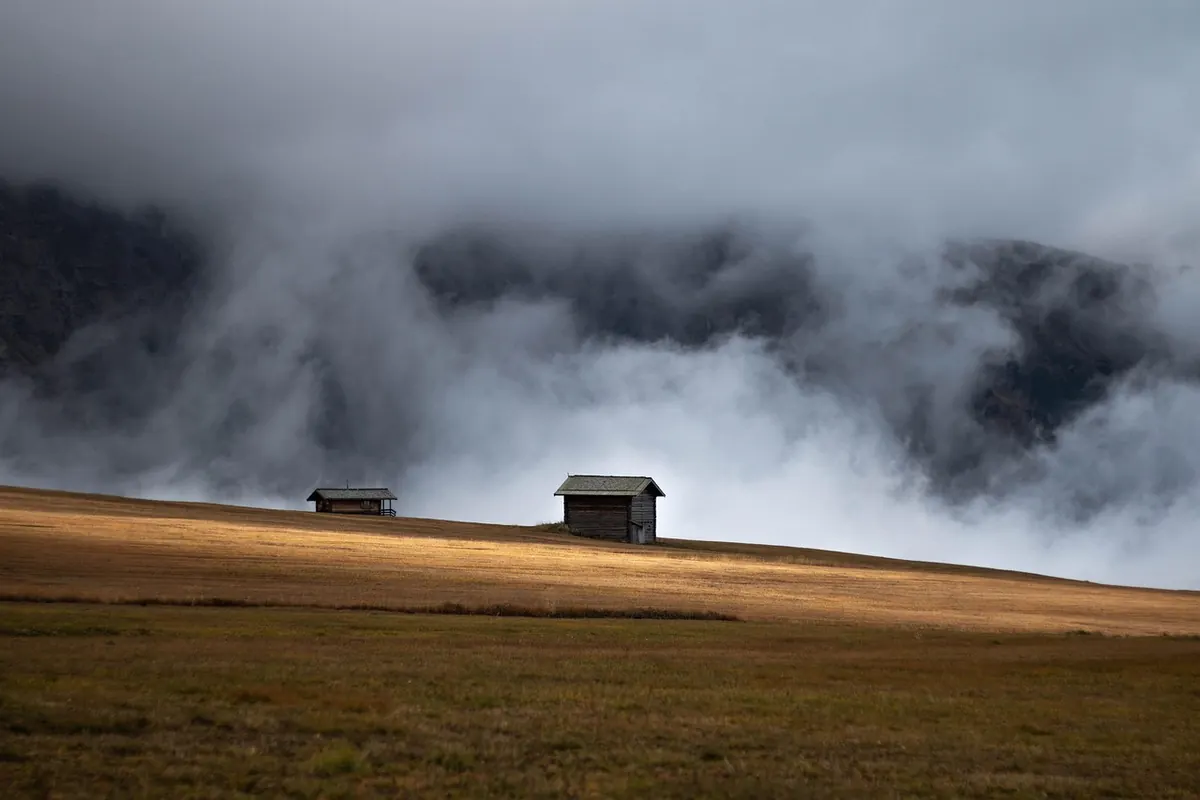
A bothy is a shelter, not a hotel. Four walls, a roof, usually a sleeping platform and a fireplace, and very little else: no electricity, no warden, no booking desk, no reliable phone signal. That last part is the whole appeal. The Mountain Bothies Association looks after around a hundred of these buildings, the great majority in Scotland, and the best of them sit hours from the nearest road. Here are ten options, compared by scenery, access and the small print.
What a bothy is, and what it is not
Most bothies are free and cannot be booked. You turn up, take the space that is there, and if it is full you camp or walk on. A few close at certain times of year for stalking, lambing or repairs, and a handful are private or locked, so check the current listing before committing to a long walk in.
Facilities vary more than newcomers expect. Some have a fireplace or stove, a sleeping platform and a table; others are close to bare. Toilets are rare, and water usually comes from the burn outside — treat or boil it rather than trusting how clear it looks. Food, fuel, bedding and lighting are your problem, not the building's.
Ten bothies worth the walk
1. Peanmeanach, Moidart
A low cottage above a curve of sand on the Ardnish peninsula, looking out to Eigg and Rum, with the ruins of a cleared village behind it. The walk in from the Moidart road takes about an hour on a rough track, and it can also be reached by boat. Popular in summer, so arrive early or accept company.
2. Shenavall, Fisherfield
At the head of Loch na Sealga beneath An Teallach, this is the gateway to the Fisherfield Forest — a deer forest with almost no trees and a reputation for hard, remote walking. The approach from the Dundonnell road takes two to three hours. Carry in coal or logs; there is wood about, but it is usually sodden.
3. Ben Alder Cottage, Loch Ericht
On the shore of Loch Ericht with Ben Alder behind it, and one of the more awkward bothies to reach: a long walk from Dalwhinnie along the loch, or a boat across the water if you can arrange one. Local legend insists it is haunted, which is a reasonable excuse for keeping the fire in.
4. Bob Scott's, Lairig Ghru
The roomier of the two Lairig Ghru bothies, named for a former deerstalker and roughly two hours from the Linn of Dee car park. It is a sociable place — you may well share it with a dozen others — and an obvious base for the Cairngorm plateau.
5. Corrour, Lairig Ghru
Further up the pass, below the Devil's Point, Corrour is smaller and more exposed. The walk in is longer, the weather funnels through the glen, and winter here is a serious proposition. Views of Braeriach and Cairn Toul are the reward.
6. Maol Bhuidhe, the Rough Bounds
A single-storey cottage in the empty country between Glenfinnan and Knoydart, reachable only on foot — a full day from any road, longer when the ground is wet. This is the one for genuine solitude rather than a bothy social, and the navigation is serious. Take a map, a compass and the skills to use them.
7. Glencoul, Assynt
Perched above Loch Glencoul, a few hours' walk from the Kylesku area, with a detour to Eas a' Chual Aluinn — often called Britain's highest waterfall. Quartzite hills, sea lochs, very few people, and some rough, boggy ground on the lower approach.
8. Kearvaig, Cape Wrath
A low building behind the dunes at Kearvaig bay, close to the far north-west corner of the country and within walking distance of the lighthouse. Most people arrive off the ferry-and-minibus run; a few walk the whole way in. Cliffs, light and emptiness, with weather that changes fast.
9. Camasunary, Skye
An afternoon's walk from Kilmarie, or a longer coastal approach from Elgol, with Bla Bheinn rising behind and a beach in front. There are two buildings here — the free bothy and a bookable house — so read the signs before you unpack.
10. Bookable bothy-style stays
If you want the off-grid feel with a guaranteed bed, look at bothy-style lets such as Inshriach Bothy near Aviemore, a small cabin with a wood burner and no mains power, or Doune Bothy on the Knoydart coast, reached by boat or a long walk. Booking and paying in advance removes the gamble, and most of the adventure with it.
What to pack
- A sleeping bag rated for the season and a mat — platforms are hard
- Head torch, spare batteries and a candle or two
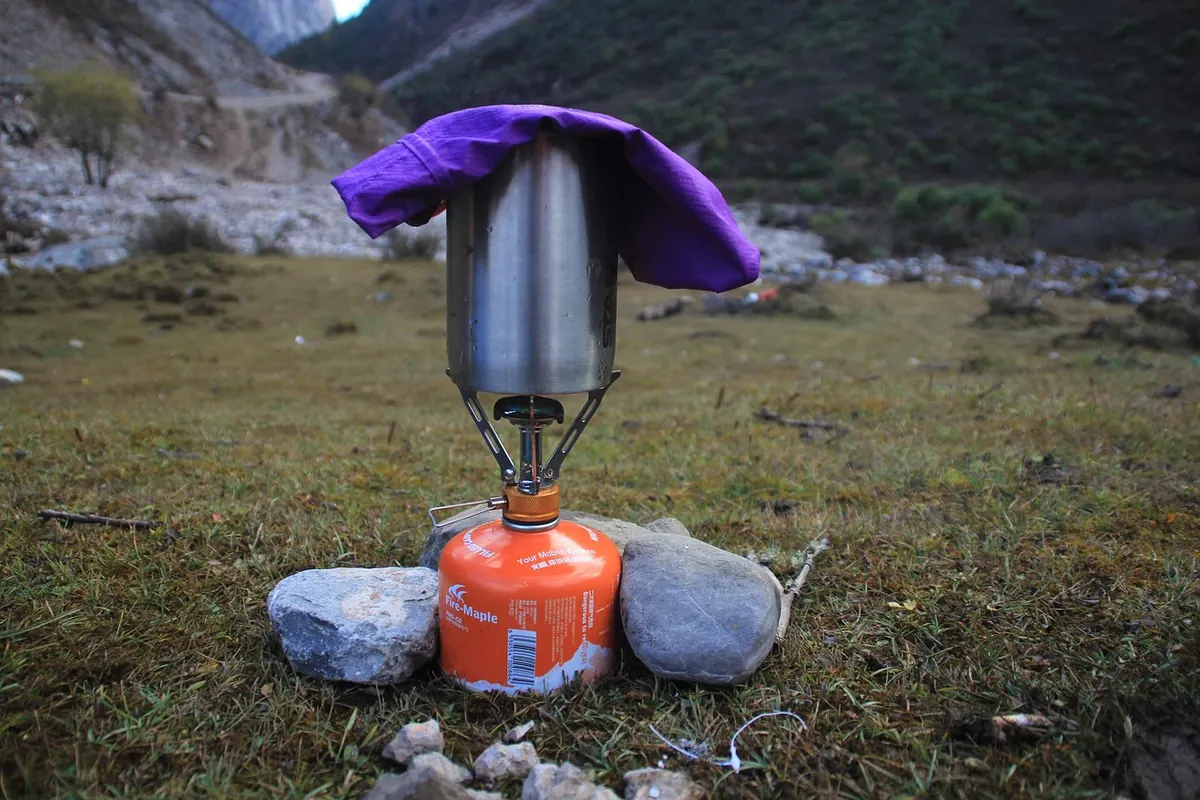
- Stove, fuel, and matches in a waterproof bag
- Food that needs no fridge, plus a spare day's worth
- Water capacity of two to three litres and treatment tablets or a filter
- Coal or dry logs if there is a fire, and a lighter
- Waterproofs, warm layers, hat and gloves, even in July
- Map, compass and a paper copy of your route
- First aid kit, blister plasters, tick tweezers, midge head net and repellent
- A rubbish bag — everything you carry in comes out with you
Charge a power bank before you leave, then keep the phone switched off at the bottom of a dry bag. If you are using it as your only map, you have not really left the grid behind.
Etiquette, signal and safety
Do not arrive late and noisy. If you turn up after dark and the place is full, be ready to camp or move on. Share the space, share the fire and do not claim a whole platform with your kit.
Leave the bothy cleaner than you found it: sweep out, take every scrap of food with you, and leave dry kindling for whoever comes next. Use the spade, bury waste well away from water and carry out the paper.
Assume there is no signal. Tell someone your route and expected return time, and remember that in the UK an emergency call can use any network that happens to be available — but only if there is one at all. Water from a hill burn should be filtered or boiled. Midges are worst from late spring to early autumn on calm, damp days, so a head net earns its place. If you have a health condition, take advice before heading somewhere this remote.
Planning the trip
Check the Mountain Bothies Association's current list before you go, and read the notes on each entry: closures, restrictions on dogs, and whether a key is needed. Estates publish stalking information in the autumn, and a signed diversion should always be respected.
Two nights beat one. The first is spent winding down; the second is when you stop reaching for your phone. Go midweek, outside the school holidays, and build in a plan B, because a bothy you cannot reach is no use at all. And take a bothy book entry seriously — writing a few lines by torchlight is a better record of a trip than anything you will post afterwards.
Photo: Davindiovich / Pixabay