
Off-Grid Cabins in Wales: A Comparison of Three Stay Styles
Off-grid in Wales no longer means a leaky shed and a bucket. Most cabins now come with a proper mattress, a gas hob and a shower that works as long as you are sensible with the water tank. What changes between one place and the next is where it sits — and the setting decides almost everything else: how you reach the door, what you do when it rains for two days straight, what you pay, and how much fetching and carrying you are signing up for. Woodland, coastal and mountain cabins each suit a different sort of break. Here is how they compare.
Woodland cabins: shelter, shade and short walks from the door
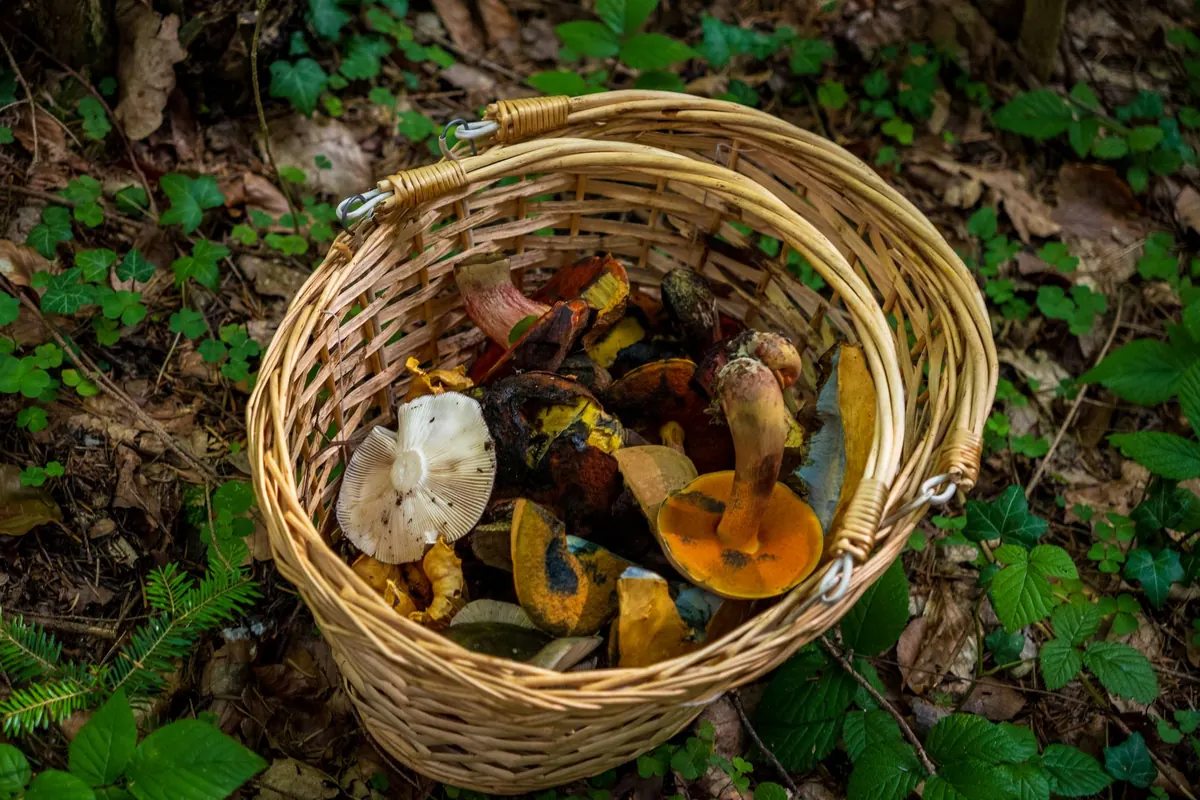
A cabin tucked into oak and birch is the gentlest introduction to off-grid living. Trees cut the wind, so the wood burner does less work and sitting outside in October is genuinely pleasant. The access track is usually short and fairly level, which means you can carry a cool box and a crate of food to the door in two trips rather than six. Forest trails, a river swim and a pub within walking distance are common.
Two things to watch. Still woodland air on the west side of Wales in July and August is midge weather, so pack repellent and keep the door shut at dusk. Woodland is also dark: in winter, take a torch for the walk to the compost loo and check whether there is any outside lighting at all. Ask about firewood before you book. Kiln-dried logs burn properly; damp ones will smoke you out. If it is not included, buy a bag locally rather than dragging one from home.
Coastal cabins: wind, light and out-of-season value
Pembrokeshire, Ceredigion, the Llŷn and Anglesey hold most of the coastal cabins, many on working farms just behind a dune system or in a clifftop field. You get big skies, easy beach access and a horizon that does most of the entertaining. You also get weather. Sea wind finds every gap, so pack a windproof layer even in summer, and expect the cabin to be built for it: thick walls, small windows, a stove.
The upside is that autumn and winter are glorious in a way summer rarely is — empty beaches, dramatic squalls, and rates that drop once the schools go back. If you plan to swim, remember that sea temperatures off west Wales stay low even in August. Go in gradually, stay within your depth, and never swim alone or without a way to get warm afterwards. Check tide times before walking a beach at low water, and note that some cliff paths close for nesting birds in spring.
Mountain cabins: higher, wetter, quieter
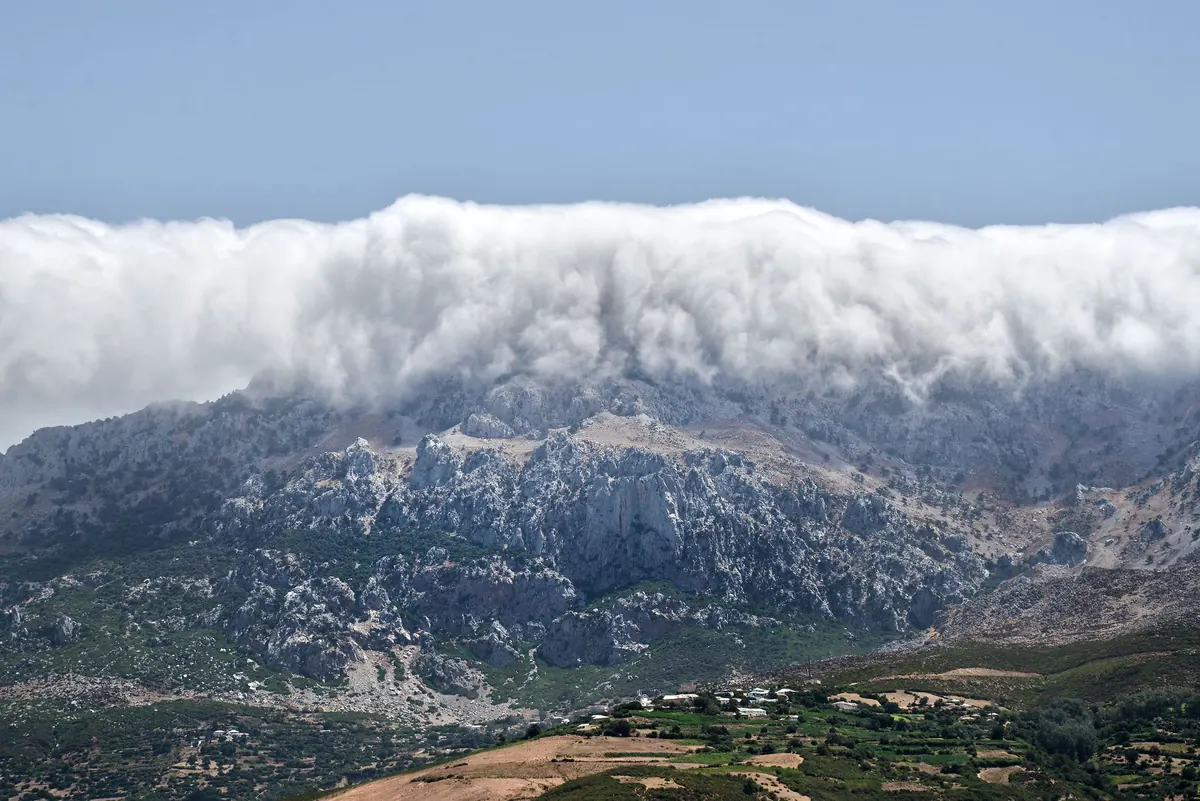
Cabins in Eryri, the Cambrian Mountains and around the Elan Valley sit higher, and it shows. Expect a few degrees cooler than the valley, cloud that arrives without warning, and rain that falls sideways. Access is often a single-track lane with passing places followed by a steeper section of track, so you may park a few hundred metres below the door and carry everything up.
That effort is exactly why people book them. You get dark skies, deep silence and walking straight from the door onto open hillside. If you drive a low-slung car, ask the owner for a photograph of the final approach before you commit. Pack walking boots rather than trainers, a head torch each, and a paper map if the forecast is mixed, because phone signal in the Welsh hills is patchy at best. Tell someone where you are going and when you expect to be back.
What your budget buys
Off-grid does not mean uniform. Prices vary most according to access, facilities and season, and the cheapest cabins are often the ones you have to walk to.
The basic tier
A timber hut or converted shepherd's hut with a wood burner, a gas ring, a compost toilet and no running hot water. You carry in drinking water, and often your own bedding. Fine for a night or two, brilliant for walkers and cyclists, less good if you want a long soak.
The middle tier
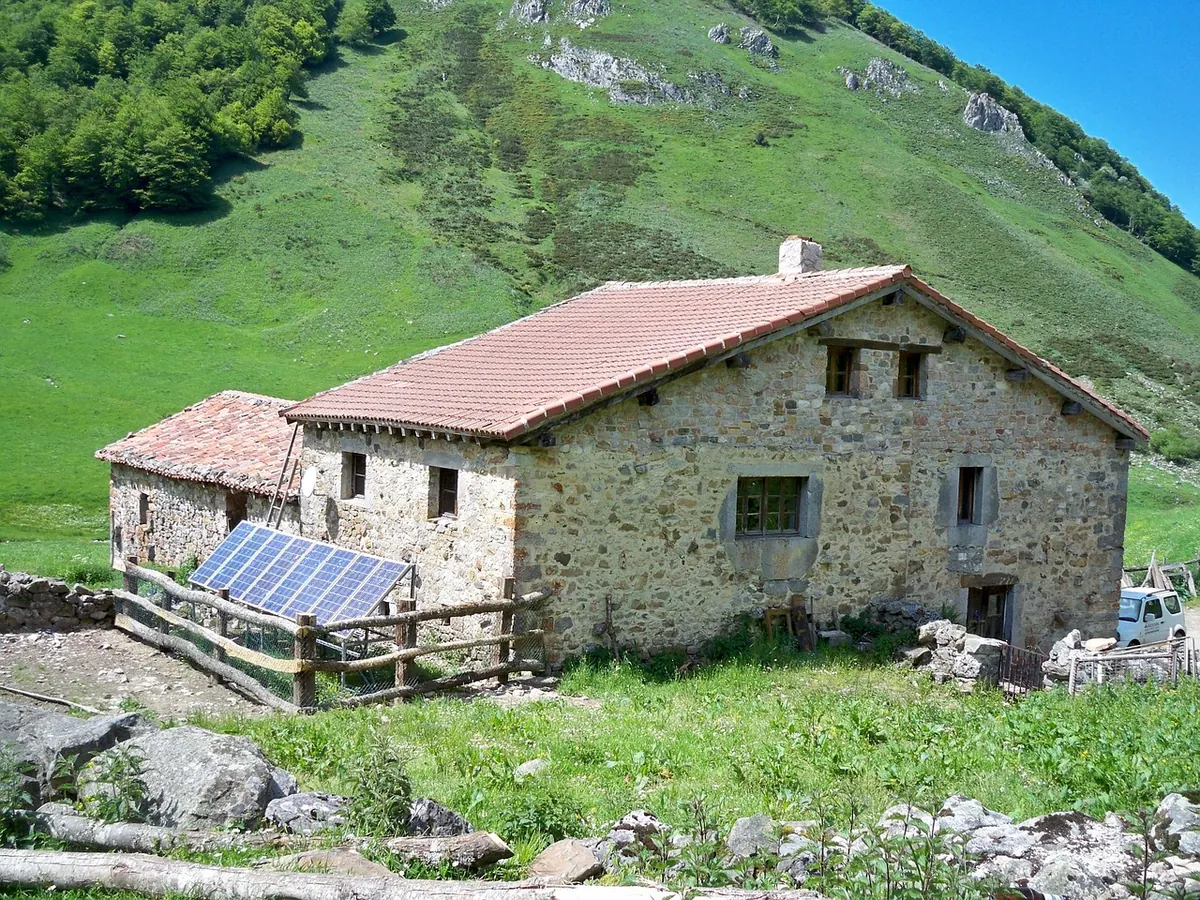
The most common sort of cabin: solar panels and a battery bank for lights and phone charging, a gas or gravity-fed shower, a small kitchen, a proper bed and a flushing or composting toilet. Still off-grid, but comfortable for a week.
The upper tier
Architect-designed cabins with a wood-fired hot tub, underfloor heating from a biomass boiler, an en-suite and generous glazing. You are paying for design and location more than luxury, and the off-grid setup is often more about the setting than the savings.
Things that push the price up, wherever you stay:
- A long private track or a genuinely remote position
- A hot tub, which needs water, wood and cleaning between guests
- Minimum stays of two or three nights at weekends
- Peak weeks, half-term and bank holidays
- Dogs, extra guests and cleaning fees
- Firewood bundles and welcome hampers added at checkout
Questions worth asking before you book
A short email to the owner saves a lot of irritation later. Ask:
- How do I get to the door, and how far is the walk from where I park?
- What powers the cabin, and what can't I run — a hairdryer, a laptop, an electric heater?
- Is the water drinkable, and how much hot water is there?
- What kind of toilet is it, and what should I do with rubbish?
- Is there phone signal, and who do I contact in an emergency?
- Is firewood included, and is there an indoor stove and an outdoor fire pit?
- Are dogs and children welcome, and are there restrictions during lambing?
- What happens if the weather turns and I need to cancel?
Check the forecast in the days before you travel — the Met Office mountain forecasts for the Welsh areas are a sensible starting point — and pack for one grade worse than the forecast suggests.
Matching the cabin to your trip
Choose woodland if you want an easy first off-grid weekend, decent shelter and things to do within a short drive. Choose coastal if you want light, beach walks and the option of a cheaper out-of-season break. Choose mountain if the walking and the quiet are the whole point and you do not mind carrying your bags uphill. In every case, book direct where you can, ask your questions early, and take more layers, more torches and less luggage than you think you need. The best off-grid weekends are the ones where nothing has to be fetched after dark.
Photo: asturllar / Pixabay