


Spring Coastal Path Walks in Cornwall: A Weekend Planner
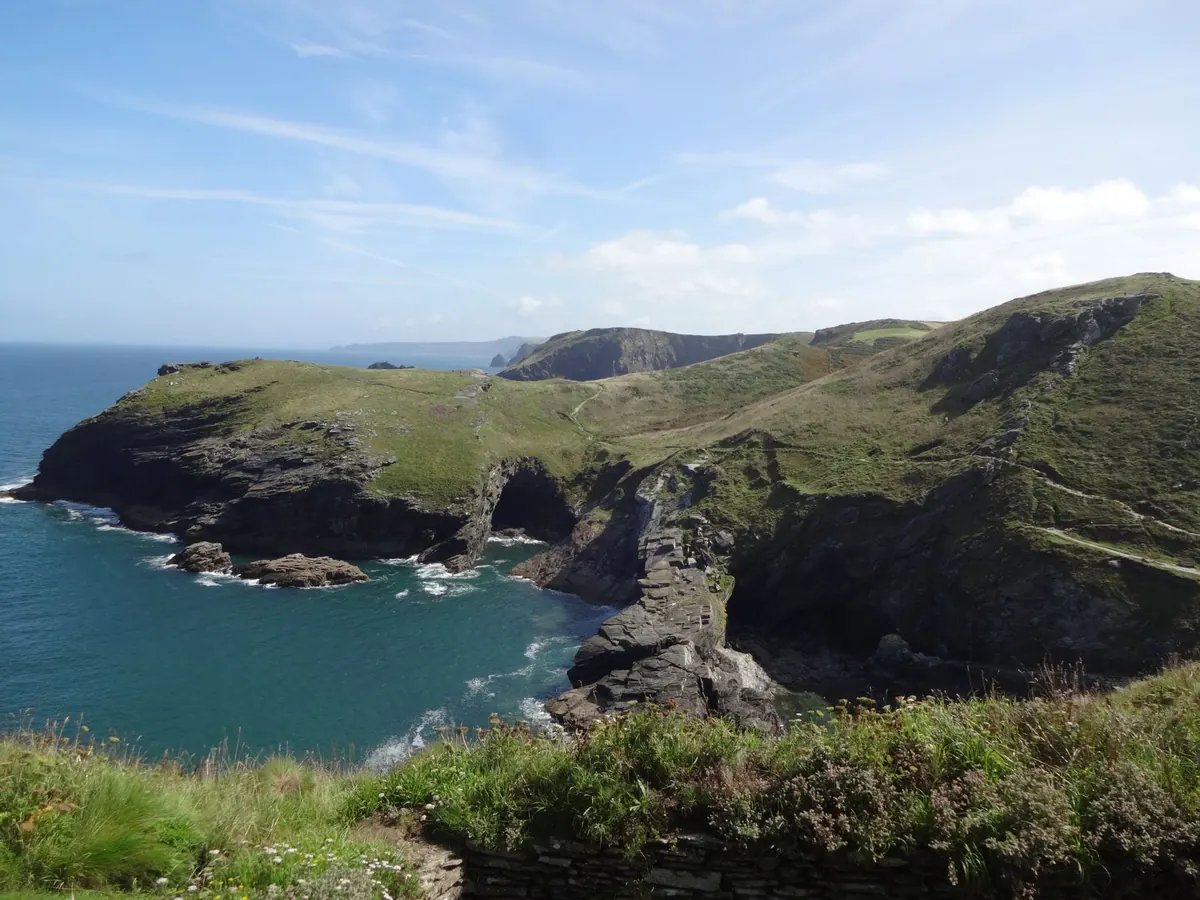
Spring on the Cornish coast is a season of sharp light and soft edges: gorse blazing yellow along the clifftops, thrift just beginning to pink the granite, and a sea that cannot quite decide between slate grey and turquoise. It is also the smartest window of the year to walk the South West Coast Path. Roughly 300 of the path's 630 miles run through Cornwall, and in April and May you get them largely to yourself — before the summer crowds arrive, before the car parks fill by nine in the morning, and before the seasonal cafés, ferries and tea huts start sprouting queues.
This planner assumes a long weekend: one ambitious day, one gentle day, and a short stretch on either side to shake the car journey out of your legs. It is written for anyone who likes the idea of a coastal walk rather more than the idea of a route march. Distances are honest, timings include stopping, and every suggestion has an escape route if the weather turns.
Why Spring Beats Summer on the Cornish Coast
Cornwall in July is beautiful and busy. Cornwall in April and May is beautiful and yours. The path itself is usually drier underfoot than in the depths of winter, the hedgerows and clifftop slopes are at their most ridiculous, and the light has a clarity that midsummer haze softens away.
The season also delivers things you simply cannot see in August:
- Wildflowers everywhere. Bluebells and wild garlic in the wooded valleys of the Helford and the Fal; primroses, sea campion and squill on the cliff slopes; gorse in full, coconut-scented yellow from February onwards.
- Wildlife on the move. Puffins return to north coast cliffs in April, choughs wheel over the Lizard and Land's End all year but are easiest to spot in spring, and basking sharks begin cruising the surface off the south coast in May.
- Space. Pubs have tables. Beaches have room for a dog and a flask. The St Ives branch line is not yet standing-room only.
- Mild walking weather. Typically 10–15°C, which is close to perfect for a long day on an exposed path — warm enough for a T-shirt on the sheltered stretches, cool enough that you are not rationing water.
Spring on this coast does not ask you to be lucky. It asks you to be flexible — and to carry a waterproof even when the sky is a flawless, cloudless blue.
The Weekend Planner: Three Days, Three Moods
Friday: Arrive and Stretch
Do not attempt anything heroic on arrival day. Pick a two-to-three mile out-and-back from wherever you are staying and use it to test your boots, your layers and your sense of direction. In St Ives, that means the path north towards Clodgy Point; in Falmouth, the run out along Pendennis Point; in Padstow, the short cliff hop towards Hawker's Cove. Finish with an early dinner and a look at tomorrow's tide table, because tides matter more than you think on this coast.
Saturday: The Big Day
This is your long walk — six to eight miles, with a proper climb or two and a genuinely wild middle section. The classic is St Ives to Zennor: roughly six and a half miles of granite, heather, hidden coves and the looming profile of Gurnard's Head, with very few places to bail out once you are committed. Give it four hours with stops. Arrange a lift or check seasonal bus times back from Zennor, or simply walk it in reverse and end in St Ives where the reward is a pint and a view of the harbour.
An alternative with more history and less company is Pendeen Watch to Cape Cornwall, passing the Crowns engine houses at Botallack and the great beam engine at Levant. It is a landscape of mine ruins, sea spray and vertigo, and it is quietly one of the best short walks in Britain.
Sunday: Something Gentler
Before you drive home, walk somewhere green and sheltered rather than exposed and dramatic. The wooded Helford Passage path, with its bluebells and subtropical gardens, or the flat, easy mile or two around Kynance Cove and the Lizard, will send you home with calves that forgive you. Aim to be back at the car by mid-afternoon; Cornish Sunday roads home are slow.
Five Stretches Worth Building a Weekend Around
- St Ives to Zennor (6.5 miles, moderate–hard). The definitive Cornwall coast path day: granite, wildflowers, seals in the bays below and a pub at the end.
- Pendeen Watch to Cape Cornwall (5 miles, moderate). Mining heritage, dramatic cliffs and the only cape in England.
- Kynance Cove to Lizard Point (3.5 miles, easy–moderate). Serpentine rock, white sand, choughs, and the most southerly point in Britain.
- Helford Passage to Mawnan Smith (3 miles, easy). Woodland, bluebells, the Helford ferry and a genuinely gentle introduction.
- Bedruthan Steps to Mawgan Porth (4 miles, moderate). Sea stacks, big Atlantic views and a beach at the end. Check access to the steps before you go, as they close periodically after storms.
What to Pack for a Spring Coastal Walk
Spring weather on this coast is best described as several seasons in one afternoon. Pack for all of them, but pack light.
- Waterproof jacket and trousers — the mizzle is real, and it soaks you gradually.
- Two mid-layers, not one. The wind on an exposed headland can drop the temperature by five degrees in a hundred metres.
- Boots with real grip. Spring mud and wet granite are the two most common causes of a ruined weekend.
- A paper or offline map. Phone signal vanishes on long stretches of this coast.
- Water, snacks and cash for honesty boxes, ferries and car parks.
- Sun cream and a hat. Grim as the sky looks at nine, it can be glorious by one.
- A tide table. Not optional. Some beaches and causeways become traps.
Weather, Tides and the Practical Bits
Two things catch out visitors more than anything else: the weather's speed of change and the tide's indifference to your plans.
Tides
Check the tide times for the specific bay you are walking through, not just the nearest big town. Beaches that look enormous at low water can be squeezed to nothing within two hours, and several coves on this coast have no safe exit at high tide. If a sign says the beach is cut off, believe it.
Transport
Linear walks are the joy and the problem of the coast path. Seasonal open-top bus services, the St Ives branch line, the St Mawes and Helford ferries and the Land's End Coaster all make one-way walks possible — but many only run from Easter onwards, and some are weekend-only in early spring. Plan the return leg before you set off, not from a clifftop with one bar of signal.
Dogs, livestock and nesting birds
Ground-nesting birds and grazing livestock make spring the season to keep dogs on a short lead on clifftop sections, and to close gates behind you. It is a small courtesy that keeps these paths walkable for everyone.
Where to Base Yourself and Eat
For the north coast, St Ives gives you the classic walk on your doorstep, plus a branch line that removes the parking problem entirely. Penzance is the practical choice for the far west, with Botallack, Cape Cornwall and Land's End all within a short drive. For the gentler southern walks, base in Falmouth or around Helston and the Lizard.
Eating is easy and rarely needs booking in spring: a pasty from a proper baker's eaten on a wall above the sea, a bowl of something hot in a harbour pub, and a cream tea argued about in the correct Cornish order — jam first, always — somewhere near the end of the walk.
Walk three days of this coast in spring and you will understand why people keep coming back to it out of season, when the gorse is loud, the path is quiet and the sea is doing whatever it likes. Take a waterproof, take a tide table, and leave the itinerary loose enough to be improved by the weather.
Photo: Jatman 0007 / Pexels